
Building a browser extension in 2026 is technically easier than ever, but growing a user base has become significantly more difficult. Many developers ship high quality code, pass the store review process, and then wait for an explosion of users that never arrives. If your install count is flatlining, it is likely not because your code is bad, but because your product strategy is missing the mark in a crowded marketplace.
Success in the browser ecosystem requires more than just functionality; it requires visibility and immediate value. If you are struggling to gain traction, you are likely falling into one of several common traps that prevent extensions from reaching their first thousand users.
1.
2.
3.
4.
5.
6.
7.
8.
9.
10.
11.
12.
Solving a problem that does not exist
The most common reason for a zero user count is building a solution for a non existent problem. Developers often build extensions based on what they think is cool rather than what users actually need. If your tool solves a minor annoyance that people only face once a month, they will not go through the effort of installing and pinning your icon.
To get users, you must solve a daily pain point. Your extension should be the answer to a question people are already asking or a shortcut for a task they perform dozens of times a day. If you cannot explain the value of your extension in a single sentence that makes a user say I need that right now, you have a problem market fit issue.
If you cannot explain the value of your extension in a single sentence that makes a user say "I need that right now," you have a product-market fit problem.
Invisible Web Store SEO
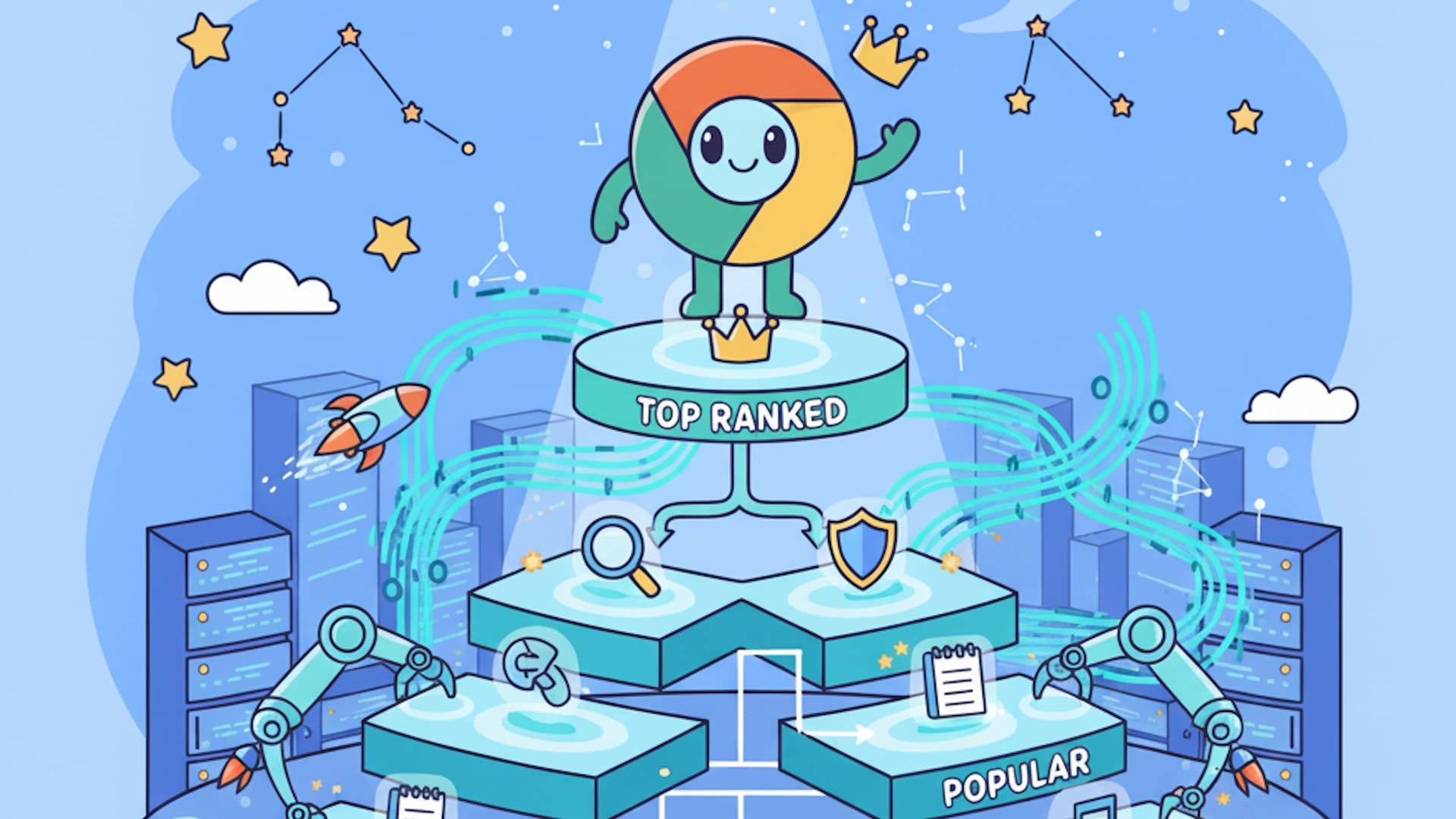
The Chrome Web Store and Microsoft Edge Add ons store are search engines. If your title, description, and metadata are not optimized for the terms people are actually typing into the search bar, your extension is effectively invisible. Many developers use clever or abstract names that mean nothing to a stranger looking for a utility.
In 2026, you must treat your store listing like a landing page. This means using relevant keywords in your title, writing a benefit driven description, and using high quality screenshots that show the extension in action. If your listing looks like a technical manual instead of a solution, potential users will scroll right past you to a competitor with better marketing. For the complete playbook on this, read how to rank your Chrome extension on the Chrome Web Store in 2026.
High onboarding friction
If a user installs your extension and is immediately met with a complex setup wizard, a mandatory account creation, or a request for ten different permissions, they will uninstall it within seconds. In the world of extensions, the time to value must be near zero. Users want to see the magic happen the moment they click that icon.
Analyze your first run experience. Are you asking for permissions you do not need yet? Are you forcing a login before the user has even seen what the tool does? The best extensions provide a guest experience or a limited free tier that demonstrates value immediately, earning the trust required for a user to eventually create an account or upgrade to a paid plan.
Forgetting to ask for the pin
In 2026, the Chrome UI hides extensions by default behind the puzzle piece icon. If a user installs your extension but forgets to pin it to their toolbar, your tool is out of sight and out of mind. If they do not see your icon every time they open their browser, they will forget they have it, and they certainly will not use it.
Successful extensions explicitly ask the user to pin the icon during the onboarding process. Use a small, friendly popup or a dedicated onboarding page that shows a quick animation of how to pin the extension. This simple step can increase your daily active user count by orders of magnitude because it keeps your tool part of the user visual environment.
Permissions that scare people away
Security awareness is at an all time high in 2026. If your extension asks for permission to read and change all your data on all websites but you are just a simple color picker, users will be rightfully suspicious. Excessive permission requests are one of the leading causes of install abandonment.
Use the activeTab permission whenever possible to only access data when the user explicitly clicks the extension. If you do need broad permissions, explain exactly why in your store description and within the extension itself. Transparency builds the trust necessary for a user to grant your tool access to their browsing experience.
The plumbing is done. Bring the idea.
ExtensionFast gives you Supabase auth, Stripe billing, and a setup that passes Chrome Web Store review on the first try.
Lack of external distribution strategy
Relying solely on organic store traffic is a recipe for slow growth. The most successful extensions are promoted where the potential users already hang out. If you built a tool for designers, you should be on Dribbble and Twitter; if you built a tool for developers, you should be on GitHub and Dev.to.
You need to create gravity outside of the Web Store. Write blog posts about the problem you solve, create short video demos for social media, and engage in communities where your target audience lives. An extension is a software business, and every business needs a marketing plan that extends beyond its primary storefront.
Ignoring the side panel
With the full adoption of Manifest V3, the Side Panel API has become the premier way to engage users. If your extension still relies on a tiny popup that disappears as soon as a user clicks away, you are missing out on a massive engagement opportunity. Users in 2026 expect persistent, helpful sidebars that stay open while they browse.
A side panel allows your extension to become a true workspace companion. It provides more real estate for features, better visibility, and a more native feel within the browser. If your retention is low, consider moving your primary interface into the side panel to provide a more stable and useful presence for your users.
Screenshots that look like technical debt
Users judge an extension by its cover. If your screenshots are blurry, outdated, or show a cluttered UI, people will assume your code is just as messy. In 2026, the aesthetic standard for extensions has shifted toward clean, modern, and Apple like simplicity.
Invest time in professional graphic design for your store assets. Use bold colors, clear typography, and annotated screenshots that point out the key features. Your goal is to make the user feel like your extension is a premium, high quality tool that will improve their browser, not a piece of bloatware that will slow it down.
Saturated niche competition
If you are launching the 500th Tab Manager or Ad Blocker without a radical new angle, you are fighting an uphill battle. The big three browsers already have many built in features that handle basic tasks. To get users, you need to find a niche that is underserved or a specific workflow that is currently ignored by the giants.
Instead of a general Note Taker, build a Note Taker for Legal Researchers. Instead of a Price Tracker, build a Price Tracker for Vintage Mechanical Keyboards. Narrowing your focus makes your marketing more effective and your product more indispensable to the specific group of people you are serving. If you need help finding that niche, how to find profitable Chrome extension ideas in one weekend is a great starting point.
The Growth Checklist
If your installs are flat, run through these before blaming the product. Most stalled extensions are missing several of them at once.
Fix what is starving your install count
Your extension solves a daily pain point you can describe in one sentence.
Your Web Store listing targets the keywords real users search, with screenshots that show the tool working.
First-run delivers value in seconds, with no forced login or unnecessary permissions.
Onboarding asks the user to pin your icon to the toolbar.
You are driving external traffic from the communities where your users actually hang out.
Your niche is narrow enough that you are not the 500th generic tool in the category.
Too much time on boilerplate
The biggest reason extensions fail is that the developer spent three months building the plumbing like authentication, stripe integration, and manifest configurations and only one week building the actual feature. By the time they launch, they are burnt out and have no energy left for marketing or iteration.
This is why we created ExtensionFast. We handle the eighty percent of the code that every extension needs so you can focus one hundred percent of your energy on the twenty percent that makes your tool unique. By using our production ready foundation, you can get to market in a weekend, start talking to users on Monday, and iterate based on real feedback instead of developer assumptions.
Frequently Asked Questions
If your extension passed review but the users never came, these are the questions worth answering honestly before your next iteration.
Ship a Chrome extension that makes money, built by your AI agent, with ExtensionFast.
Newsletter
Build smarter, ship faster
Weekly tips on Chrome extension development, marketing, and monetization.